

Avoid hidden charges in Camden rubbish removal quotes
Posted on 09/08/2026
If you have ever compared rubbish removal prices and felt the number looked fine at first glance, only to discover the final bill had quietly grown legs, you are not alone. Hidden extras can turn a tidy Camden clearance into an awkward surprise: congestion add-ons, stair fees, minimum-load rules, waiting charges, or a vague "environmental cost" that nobody mentioned up front. The good news? It is usually possible to spot the warning signs early. This guide explains how to avoid hidden charges in Camden rubbish removal quotes, what a trustworthy quote should include, and how to compare providers without getting trapped by fine print.
You will also see where different clearance needs fit in, from a one-off rubbish collection in Camden to more involved jobs like a house clearance, office clearance, or a bulky furniture disposal. The aim is simple: fewer surprises, cleaner comparisons, better decisions.

Why avoiding hidden charges in Camden rubbish removal quotes matters
Hidden charges are not just annoying. They distort the decision-making process. A quote that appears cheaper may actually be the most expensive option once the crew arrives, reassesses the load, and starts applying extras. In a place like Camden, where access can be tight, parking can be tricky, and properties vary wildly from basement flats to larger terrace homes, clarity matters even more.
Let's face it: most people do not compare rubbish removal quotes every week. You might be clearing out after a move, a renovation, a tenancy change, a loft tidy-up, or a post-event mess. The job is already stressful. The last thing you need is a price that changes because the van parked a little further away than expected, or because there was "more material than estimated." That kind of thing can sour the whole experience.
Transparent pricing also helps you compare services properly. A fair quote should allow you to assess not just price, but value: collection method, labour, waste type, and whether the company is set up for responsible disposal. If you want to dig into how pricing structures are typically presented, it helps to review the provider's own pricing and quotes information rather than relying on a phone estimate alone.
Practical takeaway: if a quote cannot explain what is included, what might change, and what would trigger an extra fee, treat it cautiously. Cheap up front is not always cheap at the end.
How avoiding hidden charges in Camden rubbish removal quotes works
The process is straightforward once you know what to look for. A reliable rubbish removal quote usually starts with an estimate based on volume, waste type, access, labour, and any special handling needs. The more accurate your description, the tighter the quote should be.
Here is the catch: some companies present the base price clearly but leave out details that matter. The actual bill may then change because of conditions that were technically "not included." That is where hidden charges creep in.
Common quote components
- Load size or volume: how much waste needs collecting, often measured by van space or load fraction.
- Labour: whether items are taken from inside the property, a garden, a loft, or the kerb.
- Access conditions: stairs, narrow hallways, long walks from the property to the vehicle, or restricted parking.
- Waste type: general rubbish, bulky furniture, builders' waste, mixed materials, green waste, or items that need special handling.
- Disposal route: lawful transfer, recycling, or specialised processing.
In practice, the safest quote is one that spells all of this out in plain English. If a provider says "from GBPX" and leaves the rest fuzzy, pause. A good service should be able to explain the assumptions behind the number.
For example, a ground-floor flat with easy parking and two bulky chairs is a very different job from a fourth-floor flat with no lift and three heavy wardrobes. That sounds obvious, but quote systems often behave as though it is not. One minute you think you are comparing apples with apples; the next, you are comparing apples with a mystery crate.
Where hidden fees often appear
These are the usual trouble spots:
- extra labour for stairs or awkward access
- parking or loading issues
- fees for heavier-than-expected waste
- minimum charge thresholds
- weekend or same-day surcharges
- special waste categories
- waiting time if the job takes longer
- late changes after the quote is accepted
A transparent company will explain whether any of those apply before the visit. That is the whole point. No drama, no ambush.
Key benefits and practical advantages
There is more to avoiding hidden charges than saving a few pounds. Transparency changes the whole experience.
- You budget accurately. No awkward end-of-job surprise when the invoice arrives.
- You compare providers fairly. Real comparisons only work when each quote is built on the same assumptions.
- You reduce stress on the day. Nobody wants a pricing debate at the front door.
- You can plan timing better. If access or parking will affect the job, you can prepare in advance.
- You're more likely to choose the right service type. That matters for everything from loft clearances to garden waste.
There is also a trust angle. Clear pricing often reflects how a company handles the rest of the job: communication, punctuality, sorting, and disposal practices. It is not a perfect rule, of course, but it is a useful signal.
If sustainability matters to you, transparent quotes can make it easier to understand how waste is processed. A provider that talks openly about sorting and recycling is usually easier to trust than one that only talks about "fast clearance." You can also look at their recycling and sustainability approach to see whether their values line up with yours.
Who this is for and when it makes sense
This advice is useful for nearly anyone booking waste removal in Camden, but it matters most if your job has moving parts. And in Camden, many do.
- Homeowners and tenants clearing out before a move, sale, or end of tenancy.
- Landlords and letting agents needing quick, predictable turnarounds.
- Office managers handling desk, chair, or archive disposal.
- Tradespeople dealing with builders' debris, packaging, and renovation waste.
- Shop owners and market stallholders who need a tidy, efficient clearance routine.
- People clearing lofts, sheds, or garages where access is awkward and loads are hard to judge.
If you are arranging a larger clearance, the risk of hidden extras usually increases because there are more variables. A small bag-and-box job is one thing. A loft full of old furniture, broken storage, and mixed waste is another. That is where services like loft clearance or builders' waste disposal can be a better fit than a generic "we take anything" promise.
There are also times when speed is the issue. If you need a same-day collection, ask whether urgency changes the price. That is not unreasonable; it is just better to know before the van sets off. A useful reference point is same-day rubbish removal in Camden NW1, especially if timing is tight.
Step-by-step guidance
Here is a practical way to protect yourself before you book.
1. Describe the job in plain detail
Do not just say "a bit of rubbish." Say what it is, where it is located, and how it needs to be removed. Mention stairs, parking limits, lift access, and whether the crew needs to go through the property. These details are not minor. They shape the quote.
2. Ask what the quote includes
Specifically ask whether the price covers labour, loading, disposal, VAT if applicable, and any access-related issues. If the company seems reluctant to answer, that tells you something.
3. Ask what could change the price
This is the big one. You want the trigger points. For example: "Would the price change if the load is larger than expected?" or "Are there extra fees for stairs or waiting time?" Honest providers should answer clearly.
4. Get the quote in writing
Even a simple email or message is better than a vague phone figure. Written details make it easier to avoid misunderstandings later.
5. Compare like for like
A cheaper quote may exclude things another provider includes. Once you strip away the noise, the comparison is often less dramatic than it first appeared.
6. Confirm the waste type
Some items need more careful handling than others. Mixed waste, heavy furniture, garden cuttings, and renovation materials can all be treated differently. If your job is specific, say so early.
7. Check the booking terms before you agree
A quick read of the terms can save a lot of hassle. If you want a sense of how a business frames payment, processing, and customer expectations, pages like terms and conditions and payment and security are worth a look.
8. Reconfirm on the day if anything has changed
If the pile has grown, access has changed, or you have added extra items, say so before the crew starts. The earlier the conversation, the easier it is to keep the price fair. Simple, really.
Expert tips for better results
After a while, you start to notice patterns. The quotes that go smoothly usually have one thing in common: specifics.
- Photograph the waste from a few angles. This helps the provider judge volume more accurately.
- Show access points. A quick photo of the hallway, stairs, or driveway can be more useful than a long explanation.
- Be honest about awkward items. Old wardrobes, broken appliances, and heavy fragments all matter.
- Separate what you can. If recyclables, green waste, and general rubbish are mixed together, the job may become more complex.
- Ask whether loading is included. "Curbside only" and "full carry-out" are not the same thing.
- Stay wary of very low teaser rates. Sometimes they are genuine. Sometimes they are just the front door to a longer conversation you did not want.
One small but useful habit: when you speak to a provider, repeat the key details back to them near the end. "So that includes collection from the second floor, loading, and disposal, yes?" It feels a little formal, but it works. Nobody enjoys billing disputes, least of all at 8:30 on a wet Tuesday.
If you are booking for a business or a venue, it can help to align the job with a broader clearance plan. For instance, office clearances tend to go more smoothly when desks, chairs, and paperwork are identified in advance. That makes the service simpler and the quote less likely to wobble.

Common mistakes to avoid
These mistakes are common enough to be worth naming plainly.
- Accepting a price too quickly. If you have not checked what is included, you do not really have a fair comparison yet.
- Underestimating the volume. A small pile can still be surprisingly bulky once it is loaded.
- Forgetting access costs. Camden streets and flats can be awkward. Don't pretend they are not.
- Ignoring the waste type. Builders' waste, old furniture, and garden waste are not always priced the same way.
- Not asking about timing. Same-day or weekend jobs may carry different terms.
- Leaving out extra items until the crew arrives. That is the fastest route to a quote change.
There is a softer mistake too: assuming every company explains itself the same way. They do not. Some write detailed quotes. Others speak in shorthand and expect you to decode the rest. If a provider sounds too vague to be useful, trust that feeling.
Tools, resources and recommendations
You do not need fancy software to avoid hidden charges. A few simple tools will do the job.
- Your phone camera for photos of the waste and access points.
- Notes app or checklist to record what the quote includes.
- Measurements of bulky items if you know them.
- Calendar reminders for booking, parking arrangements, or building access times.
- A copy of the written quote so you can refer back to it quickly.
It also helps to understand the wider service landscape. If you are unsure whether you need a basic collection or something more involved, a broad services overview can help you map the job before you request a price. For certain situations, like moving house, clearing a shop, or tidying a property after a tenant leaves, a more specific service page may be the better fit.
And if you care about what happens after the rubbish leaves your property, that is worth asking about too. Good operators should be able to explain their disposal process in sensible, human terms, without hiding behind jargon. Not every question needs a lecture. Sometimes you just want a straight answer.
Law, compliance and best practice
This section matters because rubbish removal is not only about convenience. It also touches on legal and ethical handling of waste. In the UK, waste carriers are expected to manage and transport waste properly, and customers should be cautious about any service that looks informal or evasive. You do not need to become a compliance expert, but you should expect a professional standard.
Best practice usually means the provider can explain how waste is collected, sorted, and disposed of responsibly. It also means they communicate pricing clearly, handle customer data sensibly, and offer reasonable terms. If a company is upfront about safety, insurance, and working practices, that is a strong sign. For that reason, pages such as insurance and safety can be useful when you are evaluating trust.
For customers, the most practical rule is simple: keep records. A written quote, a brief message confirming the job, and any photo evidence of the load can all help if there is a disagreement later. That is not being difficult. It is just good housekeeping.
One more thing: if the job involves a property with shared access, tight communal areas, or landlord requirements, be careful to line up permissions and timings beforehand. That can prevent delays, and delays are a classic place where extra charges sneak in. A bit dull? Maybe. Useful? Absolutely.
Options, methods, or comparison table
There is no single right way to book rubbish removal, but there are better and worse approaches depending on the job. The table below gives a simple comparison.
| Approach | Best for | Strengths | Watch outs |
|---|---|---|---|
| Photo-based quote | Most domestic and small commercial jobs | Good for quick, clear pricing; easy to compare | Needs accurate images and honest access details |
| On-site quotation | Large, awkward, or mixed clearances | More precise when the load is difficult to judge | May take longer to arrange |
| Estimate over the phone | Simple collections | Fast and convenient | Higher risk of misunderstanding if details are vague |
| Package pricing | Standardised jobs like small furniture removals | Easy to understand at a glance | Can become costly if the job falls outside the package rules |
If you are comparing methods, think about the complexity of the job first and the quote style second. A simple collection can often be priced neatly from photos. A loft full of mixed items? Better to be more careful. In Camden, with its varied housing stock and access quirks, caution pays off.
Case study or real-world example
Picture a resident in Camden clearing a two-bedroom flat before moving out. There are a few broken drawers, a worn sofa, several bin bags, and some general clutter from the hallway cupboard. At first, the resident gets a low phone estimate that sounds good enough. Then, after sending photos, the provider revises the price upward because the quote did not include carry-down from the second floor or parking complications.
That is not necessarily unfair if the provider explained those conditions. The problem is when it was not made clear from the start. A more transparent approach would have been to ask about stairs, lift access, loading distance, and any bulky items before giving a firm number. In the end, the resident might have paid the same amount, or less, but with far less stress and no last-minute haggling by the front door.
The key lesson is simple: the quality of the quote depends on the quality of the information you give. Better information, fewer surprises. And, honestly, less faffing about.
For jobs like this, a service tailored to the property type can make all the difference. A dedicated house clearance or furniture-focused collection is often easier to price accurately than a generic all-purpose removal.
Practical checklist
Use this before you accept any quote.
- Have I described exactly what needs removing?
- Have I mentioned stairs, lifts, parking, and access?
- Do I know whether labour is included?
- Do I know whether disposal and VAT are included?
- Have I asked what would trigger a price change?
- Is the quote written down somewhere?
- Have I checked whether the job is standard, bulky, or specialist?
- Have I confirmed timing, especially if it is same-day or weekend?
- Have I read the booking terms carefully enough to understand them?
- Does the provider explain recycling or disposal clearly?
If you can tick most of those off, you are already in a much safer position than the average customer. Not glamorous, perhaps, but very effective.
Conclusion
To avoid hidden charges in Camden rubbish removal quotes, focus on clarity, not just price. Ask the awkward questions early, describe the job in detail, and make sure the provider confirms what is included before anyone turns up with a van. The best quotes are not always the cheapest at first glance; they are the ones that hold steady when the job starts.
That approach saves money, but it also saves time, hassle, and the slightly grim feeling of being cornered by an unexpected invoice. Whether you are clearing a flat, a shop, a loft, or a pile of builder's waste, a transparent quote puts you back in control. And that, to be fair, is what most people want in the first place.
Get a free quote today and see how much you can save.
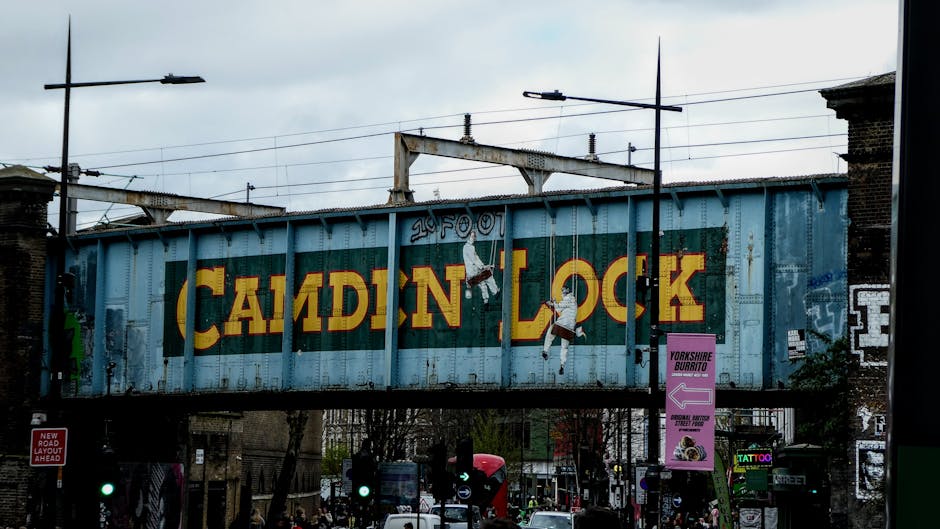
 Tipper Van - Waste Clearance and House Rubbish Removal Prices in Camden, NW1
 Luton Van - Waste Clearance and House Rubbish Removal Prices in Camden, NW1

