

Camden council bulky waste rules for rubbish disposal
Posted on 10/10/2026

If you live or work in Camden, bulky items can become a proper headache quite quickly. A sofa by the hallway, a broken wardrobe, a mattress leaning in the spare room, maybe an old desk that has been there since "just for now" turned into six months. Camden council bulky waste rules for rubbish disposal are there to stop that mess becoming a bigger problem, but the process can feel confusing if you have never used it before.
This guide breaks it down in plain English. You will learn what bulky waste usually means, how Camden-style disposal arrangements tend to work, what to check before booking, and how to avoid the common mistakes that lead to missed collections or extra hassle. We will also look at practical alternatives, compliance basics, and the little details that make the whole thing smoother. Truth be told, it is much easier once you know the rhythm of it.
- Why Camden council bulky waste rules for rubbish disposal matters
- How Camden council bulky waste rules for rubbish disposal works
- Key benefits and practical advantages
- Who this is for and when it makes sense
- Step-by-step guidance
- Expert tips for better results
- Common mistakes to avoid
- Tools, resources and recommendations
- Law, compliance, standards, or best practice
- Options, methods, or comparison table
- Case study or real-world example
- Practical checklist
- Conclusion
- Frequently asked questions
Why Camden council bulky waste rules for rubbish disposal Matters
Bulky waste is one of those everyday issues that seems small until it is sitting in your way. A single large item can block a staircase, crowd a front garden, or turn a small Camden flat into a clumsy obstacle course. The rules matter because they help you dispose of bigger household items safely, legally, and without creating a nuisance for neighbours or the street.
In a dense part of London like Camden, space is tight and kerbside layouts can be awkward. That makes careless dumping especially visible. One abandoned mattress can look untidy in daylight, but by evening it is a magnet for complaints. So the rules are not just about admin. They are about keeping shared streets usable, tidy, and fair for everyone.
There is also a practical side. Bulky items often need special handling because they can be heavy, awkward, or made from mixed materials. Think of an old wardrobe with mirror panels, or a sofa with springs and timber frame components. Sorting that out properly reduces the risk of injury and improves the chance that reusable parts, or at least recyclable materials, are managed the right way.
Expert summary: If the item is too large for normal household bins, treat it as a planning job, not a last-minute bin day decision. Check what the item is, how many pieces there are, and whether it can be reused, collected, or responsibly taken elsewhere.
And yes, it saves stress. Less dragging, less guessing, fewer "where does this even go?" moments. Which, let's face it, is always a relief.
How Camden council bulky waste rules for rubbish disposal Works
At a high level, bulky waste disposal normally follows a few simple steps: identify the item, choose the right disposal route, prepare it correctly, and make sure it is collected or dropped off in line with the relevant rules. Camden residents typically need to use the council's accepted process for items that are too large for normal household collection, while businesses usually need a commercial waste route instead.
The exact process can vary depending on item type, quantity, access, and whether the waste is from a household or a commercial property. A settee is not treated in quite the same way as a broken fridge, and a pile of old office furniture is not the same as a single mattress. That is why it pays to pause before you book anything.
In practical terms, the process often works like this:
- Check whether the item qualifies as bulky waste.
- Separate reusable items from damaged waste where possible.
- Remove loose contents, personal items, and anything hazardous.
- Choose the most suitable disposal option.
- Book or arrange collection if needed.
- Place items exactly where requested and at the right time.
That sounds simple, and mostly it is. The complications come from small details. A chest of drawers still full of papers is not ready. A sofa with a hidden loose battery pack is not ready either. These things catch people out more often than you would expect.
For larger clearances, many households also compare bulky collection with broader removal services such as rubbish collection in Camden or a more complete waste clearance service, especially when the job has a few items scattered across different rooms.
What usually counts as bulky waste
Typical examples include sofas, armchairs, mattresses, wardrobes, bed frames, desks, tables, chairs, cupboards, large toys, and some electrical items. In some cases, white goods or electrical appliances may follow a different process, especially if they contain refrigerants, motors, screens, or batteries. That is where people often make assumptions, and assumptions are awkward things.
What matters is not just size, but safe handling and disposal route. An item may be bulky because it is large, because it is awkwardly shaped, or because it needs specialist treatment after removal.
Household waste versus business waste
Household bulky waste and commercial bulky waste are often handled differently. A resident clearing an old sofa from a flat is not in the same category as a cafe replacing several chairs, or an office getting rid of broken desks. Businesses usually have a duty to use proper commercial waste arrangements and keep records where appropriate. If you are a landlord, shop owner, or office manager, this distinction matters more than it first appears.
Key Benefits and Practical Advantages
Following Camden council bulky waste rules for rubbish disposal brings some straightforward benefits. None of them are flashy, but they do make life easier.
- Less risk of fly-tipping: Proper disposal keeps bulky rubbish out of alleyways, pavements, and shared entrances.
- Safer handling: Large items are awkward and can cause injury if moved badly.
- Cleaner space at home: A cleared room feels bigger straight away. You notice the extra air, oddly enough.
- Better neighbour relations: Nobody enjoys stepping around an old mattress for three days.
- More chance of reuse or recycling: Some items can be diverted from landfill if they are sorted properly.
- Less last-minute panic: Once the plan is clear, the whole job feels manageable.
There is also a broader sustainability angle. If items can be reused, repaired, or broken down for recycling, that is usually better than treating every bulky item as general waste. Camden residents who want a more environmentally conscious route may find it helpful to review the council's broader recycling and sustainability approach alongside their disposal plans.
In our experience, people often underestimate the relief of getting bulky waste out of the way. One cleared room can change how the whole home feels. Quietly, almost instantly.
Who This Is For and When It Makes Sense
This guidance is useful if you are a Camden resident dealing with a few household items that are too large for the bin, but it also applies to landlords, letting agents, small business owners, and anyone managing a move, refurbishment, or end-of-tenancy clean-up.
It tends to make sense when:
- you have one or more large household items to get rid of;
- you cannot safely move the waste yourself;
- the item will not fit in a standard bin collection;
- you need a tidy, lawful solution before guests, inspections, or a move-out date;
- you are clearing several rooms and want a single organised pickup;
- you want to avoid the risk of leaving items on the street without permission.
It may also be sensible if you are short on time. Not everyone has a van, a second pair of hands, or the energy to wrestle a wardrobe down three flights of stairs on a wet Tuesday afternoon. To be fair, most people do not.
If the job is bigger than a single bulky item, a full property clearance may be the more efficient route. That is especially true for lofts, basements, flats with narrow stairwells, or mixed waste jobs where furniture, bags, and loose items are all tangled together. A specialist house clearance in Camden or office clearance can sometimes be the cleaner solution.
Step-by-Step Guidance
Here is a practical way to approach Camden council bulky waste rules for rubbish disposal without overcomplicating it.
1) Identify exactly what you need to dispose of
Make a list of the items. Do not just say "furniture" and hope for the best. Write down what it actually is: one three-seater sofa, two mattresses, one broken desk, one chest of drawers. If there are electrical items, note those separately. This helps you avoid booking the wrong service or placing restricted waste in the wrong pile.
2) Decide whether anything can be reused
If an item is still usable, even if it is not perfect, consider whether it can be passed on, sold, or donated. A scratched table may still be fine in someone else's kitchen. A wobbly chair may not be, obviously. Be honest. If it is structurally unsound, it probably belongs in disposal, not reuse.
3) Check for hazardous extras
Look inside drawers, under cushions, and inside storage compartments. Loose batteries, sharp objects, liquids, or personal documents should be removed. This step sounds tedious, but it matters. One half-used tin of paint or a forgotten battery pack can turn a simple collection into a problem.
4) Measure and photograph the items
A quick photo helps you plan access and estimate space needed. If the item has to come down narrow stairs, around a sharp corner, or through a small hallway, those details matter more than people think. A tape measure can save a lot of awkward shuffling later.
5) Choose the right disposal route
Depending on what you have, you may use a council-style bulky collection, a private clearance service, or a one-off rubbish removal option. If you have multiple items or mixed waste, a broader service may be more practical. For furniture specifically, a dedicated furniture disposal service in Camden can be a useful fit.
6) Prepare the items for collection
Follow the instructions you are given. In general, that means placing items where they can be picked up safely, separating components if requested, and making sure access is clear. Do not block shared entrances or leave waste where it could cause a trip hazard.
7) Double-check timing and access
Collection missed because the gate was locked? It happens. So does the item being left behind because it was in the wrong spot. Put reminders in your phone. If your building has a concierge, caretaker, or parking restriction, deal with that early.
Expert Tips for Better Results
If you want the process to run smoothly, a few habits make a big difference.
- Break down what you can: Flat-pack furniture, removable legs, and detachable shelves are easier to handle and may reduce collection complexity.
- Keep soft furnishings separate where possible: Sofas and mattresses often need specific handling, so do not mix them in with loose rubble or garden waste.
- Group similar items together: This makes loading quicker and helps avoid missed pieces.
- Check access before the crew arrives: Doors, lifts, stairwells, and parking all matter.
- Be realistic about condition: If it is damp, broken, infested, or unsafe to move, say so early.
- Book with a little breathing room: If you have a move-out date or inspection, do not leave disposal to the last day. A wet morning and a late collection can create unnecessary drama.
Another useful tip: think in "loading order". The heaviest awkward item usually goes first, not last, because it shapes how the rest of the collection is stacked. People often imagine a van like a game of Tetris. It sort of is, but with fewer chances to laugh about it when the door will not shut.
If you are planning a larger sort-out, it can help to tie in other waste types at the same time. For example, a loft clear-out may involve cardboard, old furniture, and bags of general junk all mixed together. A broader loft clearance in Camden can save time where separate trips would be clumsy.

Common Mistakes to Avoid
Most bulky waste problems are not dramatic. They are small errors that snowball. Here are the ones people run into most often.
Leaving items outside too early
Putting waste out the night before may be allowed in some cases, but do not assume. Left too early, bulky items can attract weather damage, rummaging, or complaints from neighbours. If the item is outside in the dark and rain, it can also become slippery and awkward by morning.
Mixing prohibited items with general bulky waste
Hazardous materials, batteries, fluids, and some electrical components may need different handling. Dumping them together can cause collection problems or safety issues.
Forgetting access constraints
A collection can only be as smooth as the route to the item. Narrow stairs, parked cars, basement levels, controlled entry systems, and lift restrictions all slow things down. Mention them early. It saves everyone a faff.
Assuming all services accept the same items
Some providers handle mixed waste, some focus on furniture, and some have limitations on electrical or specialist items. Always check before booking.
Not clearing contents from items
Drawers, cupboards, and storage ottomans often hide things. Spare cables, papers, old clothes, and even breakables turn up when people least expect it. Empty items properly before disposal.
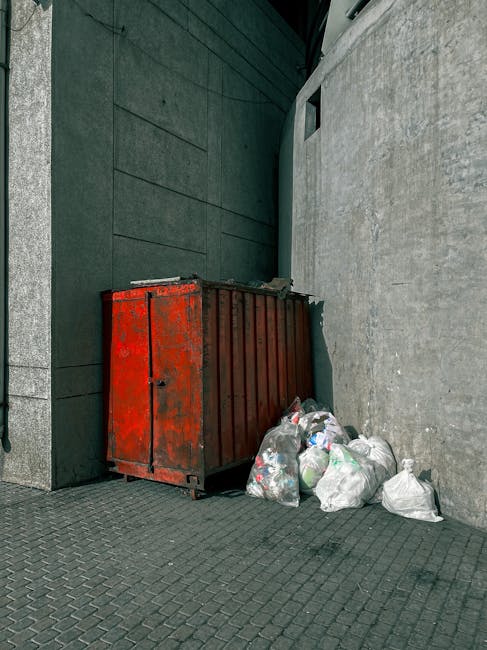
Trying to move unsafe items yourself
If something is mouldy, broken into sharp edges, or far too heavy, get help. One dodgy lift can lead to a strained back, a damaged wall, or both. Not worth it.
Tools, Resources and Recommendations
You do not need fancy kit to manage bulky waste well, but a few basic tools make a surprising difference.
- Tape measure: Useful for doorways, stairs, and item dimensions.
- Gloves: Helpful for handling rough edges and dusty furniture.
- Mask: Worth considering if items are dusty, mouldy, or have been in storage.
- Strong bin bags or boxes: Good for loose screws, fittings, or small associated waste.
- Phone camera: Take photos before booking and before collection.
- Labels or tape: Useful if multiple items belong to different rooms or occupants.
For larger clearances, it may be sensible to explore broader service pages such as services overview, especially if you are weighing up furniture, household, and mixed waste disposal together. If you want to understand the company side of things before booking, the about us page and insurance and safety information can also help build confidence.
And if you are comparing costs, the most useful thing is not the lowest headline figure. It is the full picture: access, number of items, labour, and what happens if the job turns out to be bigger than expected. The fine print, as ever, is where the real story lives.
Law, Compliance, Standards, or Best Practice
Bulky waste disposal is not just a practical matter; there is a legal and compliance side too. In the UK, waste must be handled responsibly, and that usually means making sure it goes to an appropriate collection or disposal route rather than being left on public land or handed to someone without proper handling arrangements.
For households, the key best practice is simple: use a lawful route, keep access safe, and do not place waste in a way that creates a nuisance or obstruction. For businesses, the bar is higher. Commercial premises usually need to ensure waste is transferred to authorised collectors and that records are kept where required. If you are running a shop, office, rental property, or event space, that is not something to shrug off.
A few compliance-minded habits are worth following:
- do not assume something can be left on the pavement for someone else to take;
- keep a clear record of what was disposed of and how;
- separate items that need specialist treatment;
- make sure the collection route is safe for residents and workers;
- ask questions if you are unsure about electrical, upholstered, or contaminated items.
If the waste came from a commercial setting, it may also be sensible to choose a provider experienced in workplace clearances, such as office clearance in Camden or builders waste disposal in Camden for renovation-related jobs. Different waste streams can trigger different handling expectations, so the details matter.
Best practice is usually the safest path. It is rarely the fanciest one, but it avoids trouble later.
Options, Methods, or Comparison Table
If you are deciding how to deal with bulky waste, it helps to compare the main options side by side. The right choice depends on quantity, urgency, access, and whether you want the simplest possible route or the cheapest one.
| Option | Best for | Pros | Things to watch |
|---|---|---|---|
| Council bulky collection route | Single or small number of large household items | Convenient, familiar, usually straightforward | May have booking rules, item limits, or timing constraints |
| Private bulky waste removal | Fast pickups, awkward access, mixed items | Flexible, often quicker, good for heavier jobs | Quality varies, so check what is included |
| Reuse, donation, or resale | Items still in usable condition | More sustainable, may benefit someone else | Not suitable for damaged or unsafe items |
| Full clearance service | Whole rooms, flats, lofts, or offices | Efficient for larger jobs, saves time | May be more than you need for one item |
For many people, the decision comes down to this: do you want the simplest legal route for one item, or are you bundling several tasks together? If it is just one mattress, one route may do. If it is a flat's worth of furniture, a broader clearance is often better value. Simple really, once you strip away the noise.
Case Study or Real-World Example
Imagine a small Camden flat near a busy high street. The tenant is moving out on Friday, and the bedroom still holds an old bed frame, a mattress, and a desk that has seen better days. There is also a broken dining chair left behind in the kitchen. The first instinct is usually to start dragging everything downstairs at once. That tends to end in frustration.
A better approach would be to sort the items by type, check whether anything is reusable, and decide whether the job needs a simple bulky waste pickup or a broader clearance. The mattress and bed frame may need one handling route. The desk and chair may be bundled with the rest of the move-out waste. Access matters too. In a tight stairwell, one person can hold doors while another manages the larger pieces, but only if the path is clear.
In this kind of situation, a targeted furniture disposal job can be the neatest answer, especially where the items are bulky but limited in number. If there are also bags of unwanted household bits, a wider rubbish collection may make more sense. The point is not to pick the fanciest option. It is to pick the one that fits the actual problem.
And yes, there is always one item that looks light until you try to turn it. Always.
Practical Checklist
Use this checklist before arranging bulky waste disposal in Camden:
- List each item clearly, not just as a vague category.
- Check whether the item is reusable, repairable, or disposable only.
- Remove all contents, loose fittings, and personal belongings.
- Separate hazardous items, batteries, and liquids.
- Measure the item and key access points.
- Confirm whether the waste is household or commercial.
- Decide if a single-item collection or full clearance is better.
- Make sure the collection point is safe and unobstructed.
- Set a reminder for the booking time and date.
- Keep photographs in case you need to confirm the condition or quantity.
If you are dealing with several areas of the property at once, it can help to think in zones: bedroom, loft, living room, hallway. That keeps the job orderly and stops one pile spreading into three others. A bit boring, maybe. Very effective, definitely.
Get a free quote today and see how much you can save.
Conclusion
Camden council bulky waste rules for rubbish disposal are really about one thing: making sure large items leave your property safely, legally, and without creating a nuisance. Once you know what counts as bulky waste, how to prepare it, and which route suits your situation, the whole process becomes far less stressful.
For a single awkward item, a simple collection may be enough. For a fuller clear-out, a broader clearance service is often the more sensible move. Either way, the best results come from a little planning, a clear head, and not leaving it until the last possible day. That last bit is where most people come unstuck, to be fair.
Do the basics well, keep the path clear, and choose the disposal route that fits the real job in front of you. Small effort now, less chaos later. That is usually the win.
 Tipper Van - Waste Clearance and House Rubbish Removal Prices in Camden, NW1
 Luton Van - Waste Clearance and House Rubbish Removal Prices in Camden, NW1

